Heavy Duty Solar Mounting Structures | YR Power Solutions
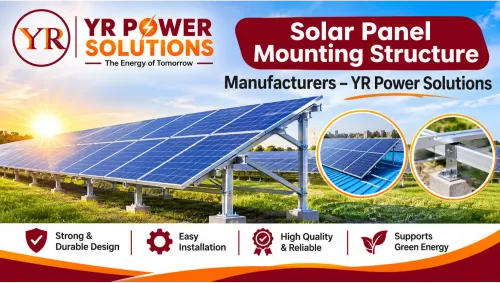
Heavy duty solar mounting structures play an important role in the installation and long-term performance of solar power systems. These structures provide a strong and stable support system for solar panels, helping maintain their position and alignment under different environmental conditions. They are widely used in ground-mounted solar power plants, commercial solar projects, industrial facilities and large-scale renewable energy installations.
YR Power Solutions provides solutions related to power infrastructure and steel structures, supporting the growing requirements of renewable energy projects.
What Are Heavy Duty Solar Mounting Structures?
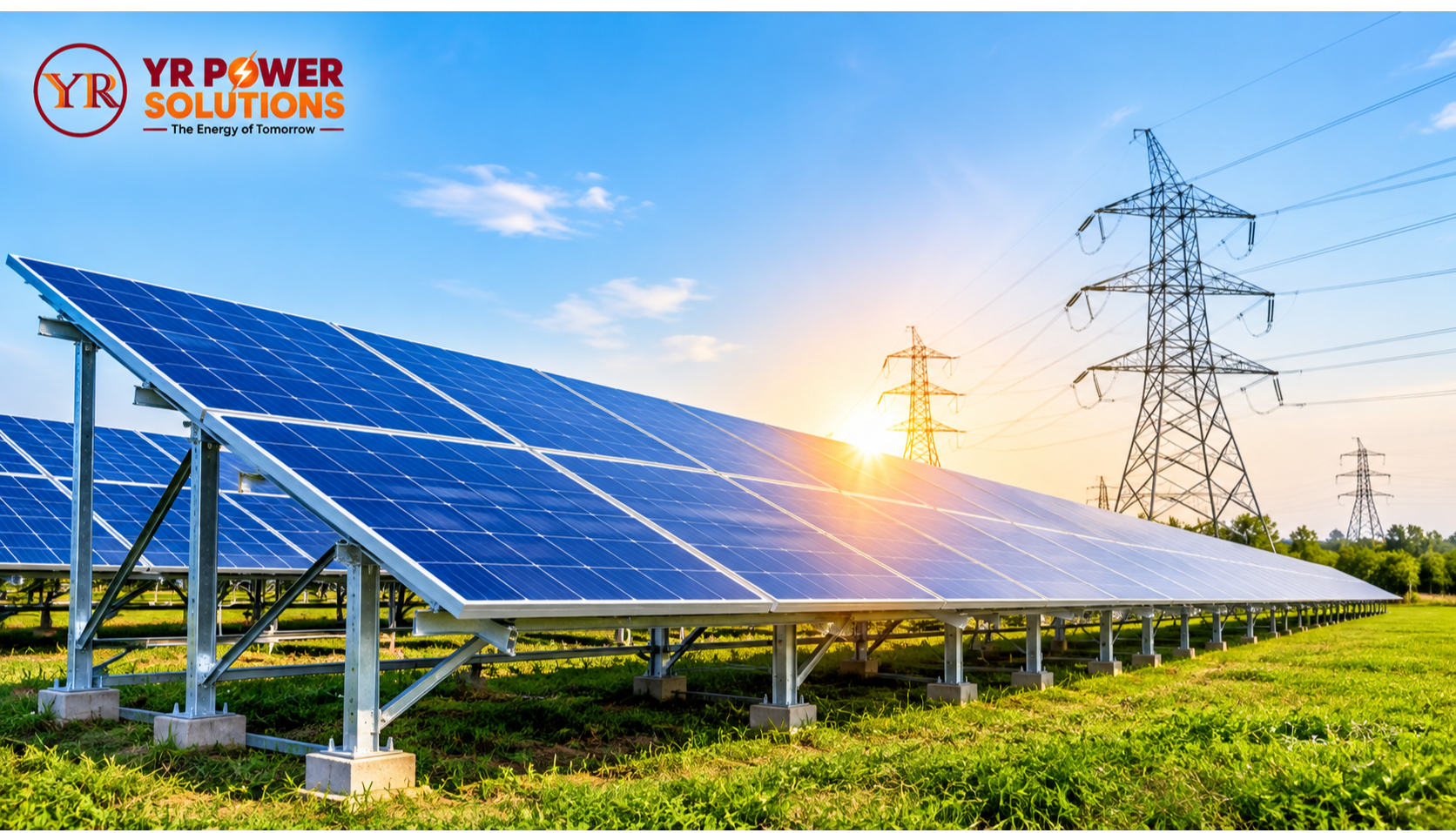
Heavy duty solar mounting structures are specially designed support frameworks used to install solar photovoltaic (PV) panels securely. They are generally manufactured using structural steel or other suitable materials selected according to project requirements.
These structures are designed to support the weight of solar modules while accounting for environmental loads such as wind pressure, rain and other site-specific conditions. Their design depends on factors such as panel dimensions, installation location, foundation type, ground conditions and project capacity.
Applications of Heavy Duty Solar Mounting Structures
Heavy duty solar mounting systems are used across different types of solar installations, including:
Large-Scale Solar Power Plants: Support solar panels across utility-scale solar projects.
Industrial Solar Projects: Provide structural support for solar installations at manufacturing units and industrial facilities.
Commercial Solar Installations: Used in commercial properties and institutional solar projects.
Ground-Mounted Solar Systems: Support solar modules installed on prepared ground foundations.
Renewable Energy Projects: Form an essential part of solar energy infrastructure.
Key Features of Solar Mounting Structures
The design and construction of heavy duty solar mounting structures involve several important considerations:
1. Structural Strength: The framework must be designed to carry the combined weight of solar modules and withstand applicable environmental loads.
2. Material Selection: Structural steel and other suitable materials are selected based on strength, durability, site conditions and project specifications.
3. Corrosion Protection: Appropriate protective coatings or galvanisation can help reduce corrosion and support long-term outdoor use.
4. Site-Specific Engineering: Structural dimensions, foundation arrangements and configurations are determined according to project requirements.
5. Installation Compatibility: The mounting arrangement should be compatible with the selected solar modules, mounting accessories and installation layout.
Types of Solar Mounting Structures
Different solar projects require different mounting arrangements.
Ground-Mounted Solar Structures: Installed on foundations at ground level and commonly used in solar farms.
Rooftop Solar Mounting Structures: Designed for solar panel installation on suitable building rooftops.
Fixed-Tilt Solar Structures: Hold solar panels at a predetermined angle.
Adjustable Solar Mounting Structures: Allow changes to the panel angle according to the system design.
Customized Solar Structures: Developed according to specific site conditions, panel arrangements and engineering requirements.
Factors to Consider When Selecting Heavy Duty Solar Structures
Before selecting a solar mounting structure, project developers and contractors should consider the following factors:
Solar project capacity and panel configuration.
Local wind speed and environmental conditions.
Soil characteristics and foundation requirements.
Material specifications and corrosion protection.
Structural design and engineering calculations.
Installation requirements and maintenance accessibility.
Applicable project standards and safety requirements.
Proper planning and engineering help ensure that the mounting system is suitable for the intended application.
Importance of Quality Solar Mounting Structures
Solar panels require a reliable support framework throughout their operating life. A properly engineered mounting structure helps maintain panel alignment, reduces the risk of structural movement and supports the overall stability of the solar installation.
The selection of suitable materials, appropriate fabrication methods and correct installation practices can also help reduce maintenance requirements and support the long-term functioning of solar power projects.
Heavy Duty Solar Mounting Structures by YR Power Solutions
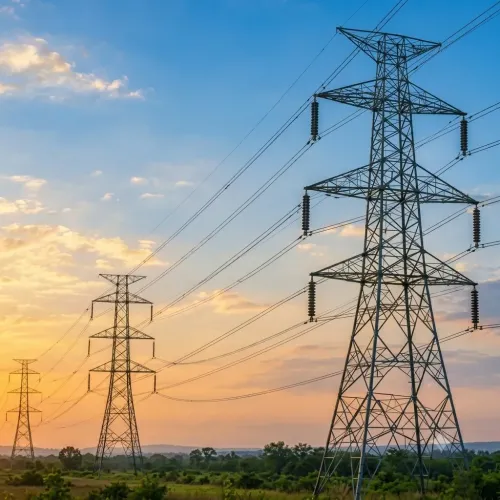
YR Power Solutions works in the power infrastructure and structural solutions sector, with offerings related to solar power structures, wind power structures, transmission line towers, switchyard structures and fabrication watch towers.
For solar power projects, choosing a suitable mounting structure requires attention to structural design, material specifications, fabrication quality and installation conditions. Project-specific requirements should be evaluated before finalising the structure.
Whether the requirement involves a commercial solar installation or a large-scale renewable energy project, selecting an appropriately engineered mounting framework is an important part of project planning.
Conclusion
Heavy duty solar mounting structures are an essential component of solar energy installations. They provide the structural support required to position and secure solar panels across residential, commercial, industrial and utility-scale projects. Material selection, structural strength, corrosion protection and site-specific engineering all contribute to the suitability of a mounting system.
YR Power Solutions supports the power infrastructure sector with structural solutions for renewable energy and electrical infrastructure projects. Contact the company to discuss your solar structure requirements and project specifications.